Module 1-3
The Proposed Problem…
Students begin healthcare clinical experiences with high anxiety and low confidence (Moscaritolo, 2009).
Addressing student well-being during clinical experiences and the quality of the student/supervisor relationship are important factors in developing confidence and lessening anxiety (Laidlaw, 2009; Cook, 2005).
While Clin is frequently mentioned in the literature, the student’s perspective is rarely the primary focus (Lew, Cara, & Richardson, 2007).
Minimal literature exists in OT specifically addressing student anxiety and confidence during Level II Clin (Taylor, Lee, Kiehlofner, & Ketkar, 2009; Bolding te al, 2020).
Increased focus is being placed on the long-term effects bullying and microaggressions (Wolke & Lareya, 2015)
Surprising given the focus healthcare places on QOL!


What leads to Clinical Quality of Life?
Addressing the effort placed into the quality of the relationship between the clinical student and clinical educator may result in improved preparedness and confidence in our entry-level practitioners.
Clinical educators rarely get training in these skills:
Positive self-regard
Self-awareness
Interpersonal competence
Commitment to learning
Fidler (1996) identified professional behaviors crucial to being an effective OT practioner:
Lack of support by management due to pressures to meet productivity demands
Personality conflicts between Clinical student and Clinical educator
What is Quality of Life (QoL)?
Quality of Life (QoL) refers to an individual's overall sense of well-being, satisfaction, and fulfillment in life. It encompasses physical and emotional health, relationships, independence, and participation in meaningful activities.
Why Is Quality of Life Different for Everyone?
There is no single universal definition of quality of life because it is influenced by each individual's unique experiences, values, needs, and priorities.
Individual Perspective: What contributes to a fulfilling life varies from person to person.
Personal Needs: Physical, emotional, social, and environmental factors influence overall well-being.
Meaningful Experiences: Quality of life is shaped by an individual's ability to participate in activities and experiences they find important.
How Is Quality of Life Defined in Research?
The Quality of Life Research Unit at the Centre for Health Promotion (2012) defines quality of life as:
“The degree to which an individual enjoys the important possibilities of his or her life.”
Why Does This Matter in Healthcare?
In clinical and academic environments, bullying and incivility can negatively affect an individual's quality of life by contributing to stress, anxiety, decreased confidence, and reduced satisfaction with their learning or work environment.
Promoting respectful communication, supportive relationships, and positive clinical experiences can help protect the well-being and quality of life of healthcare students and professionals.
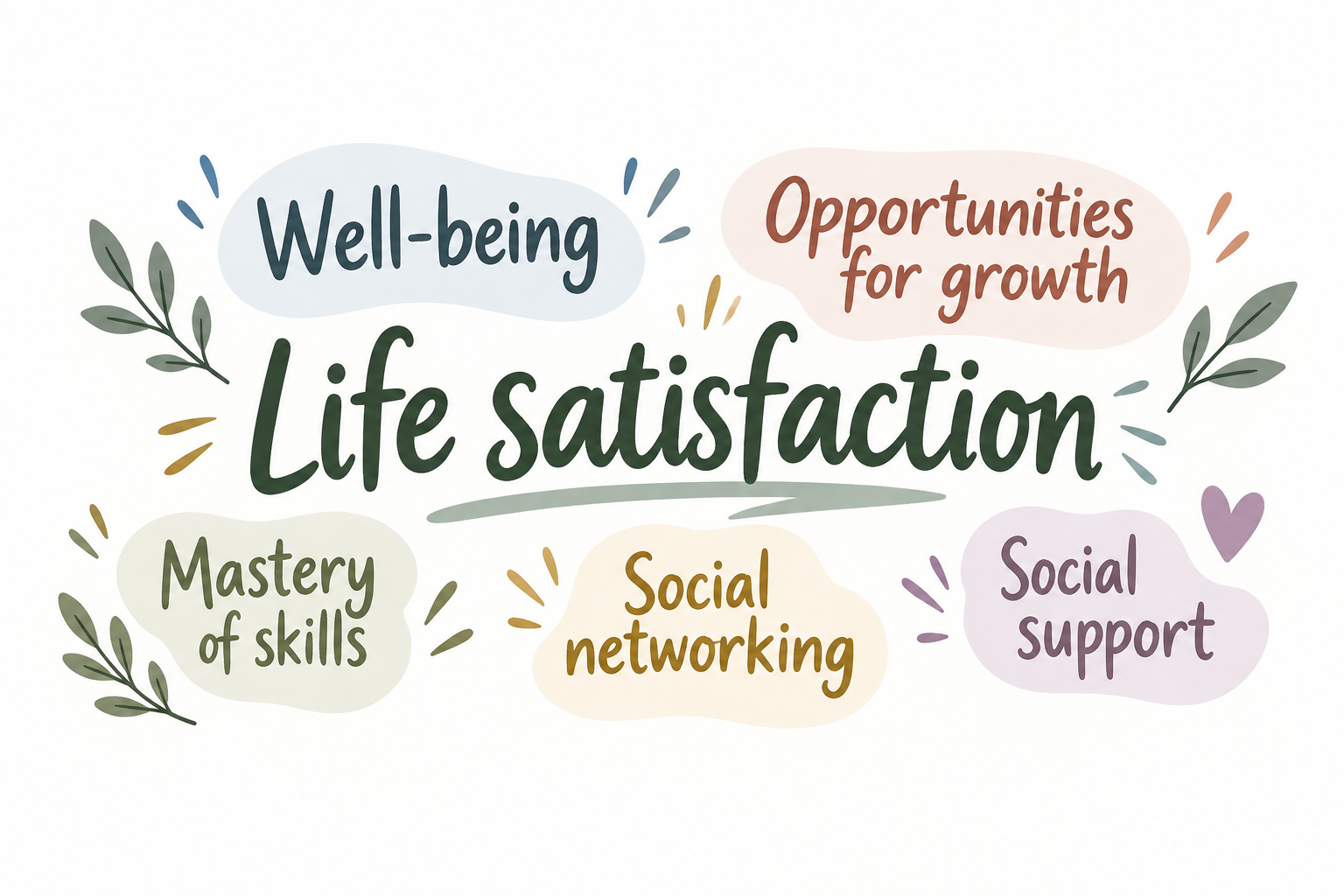
The Clinical Quality of Life (ClinQoL) merges concepts of:
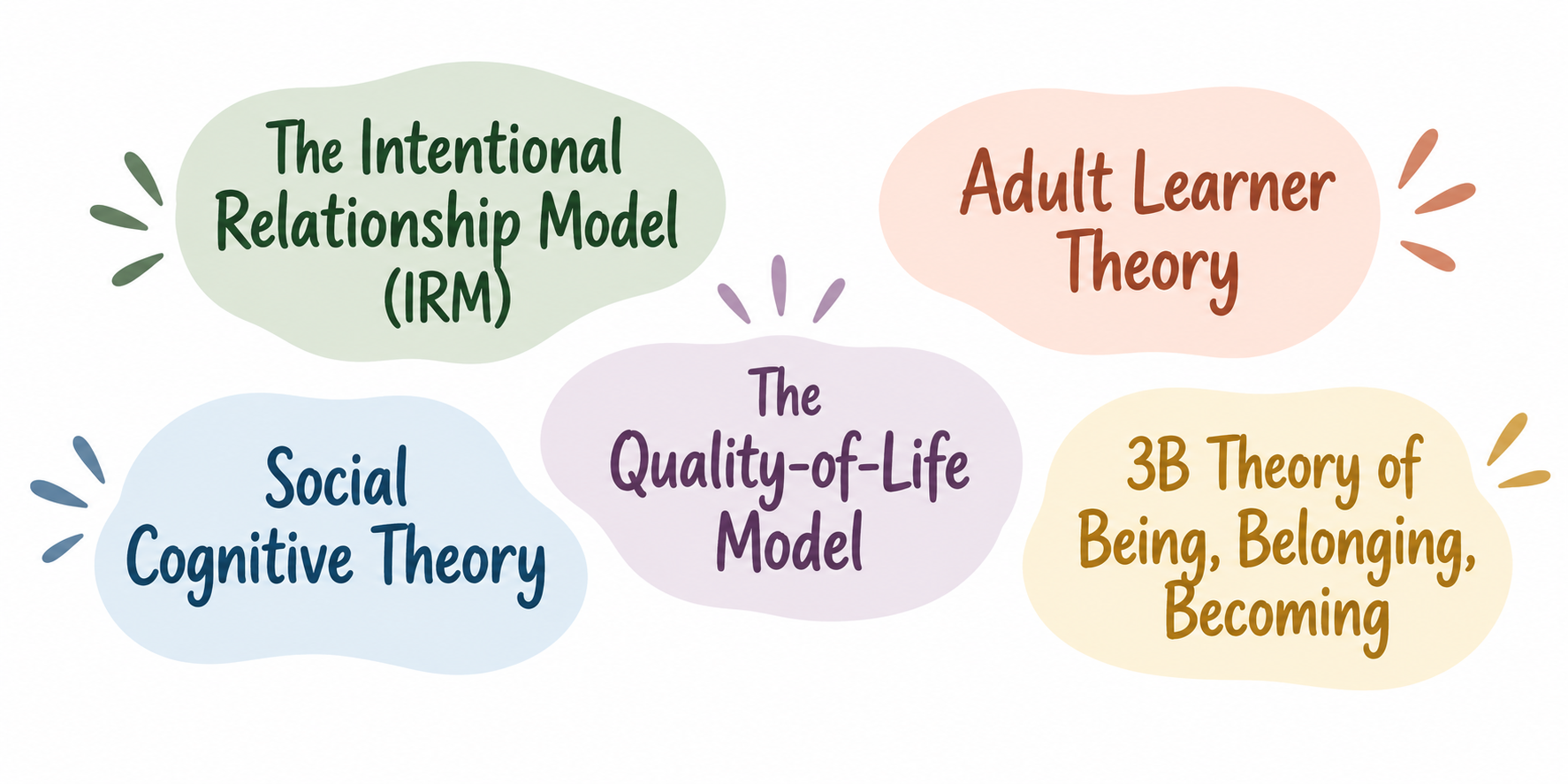
The Intentional Relationship Model (IRM)
The Intentional Relationship Model (IRM) emphasizes the importance of effective communication, empathy, and supportive professional relationships. In occupational therapy fieldwork, these principles can help fieldwork educators foster positive learning environments, reduce student anxiety, build confidence, and minimize behaviors associated with bullying and incivility.
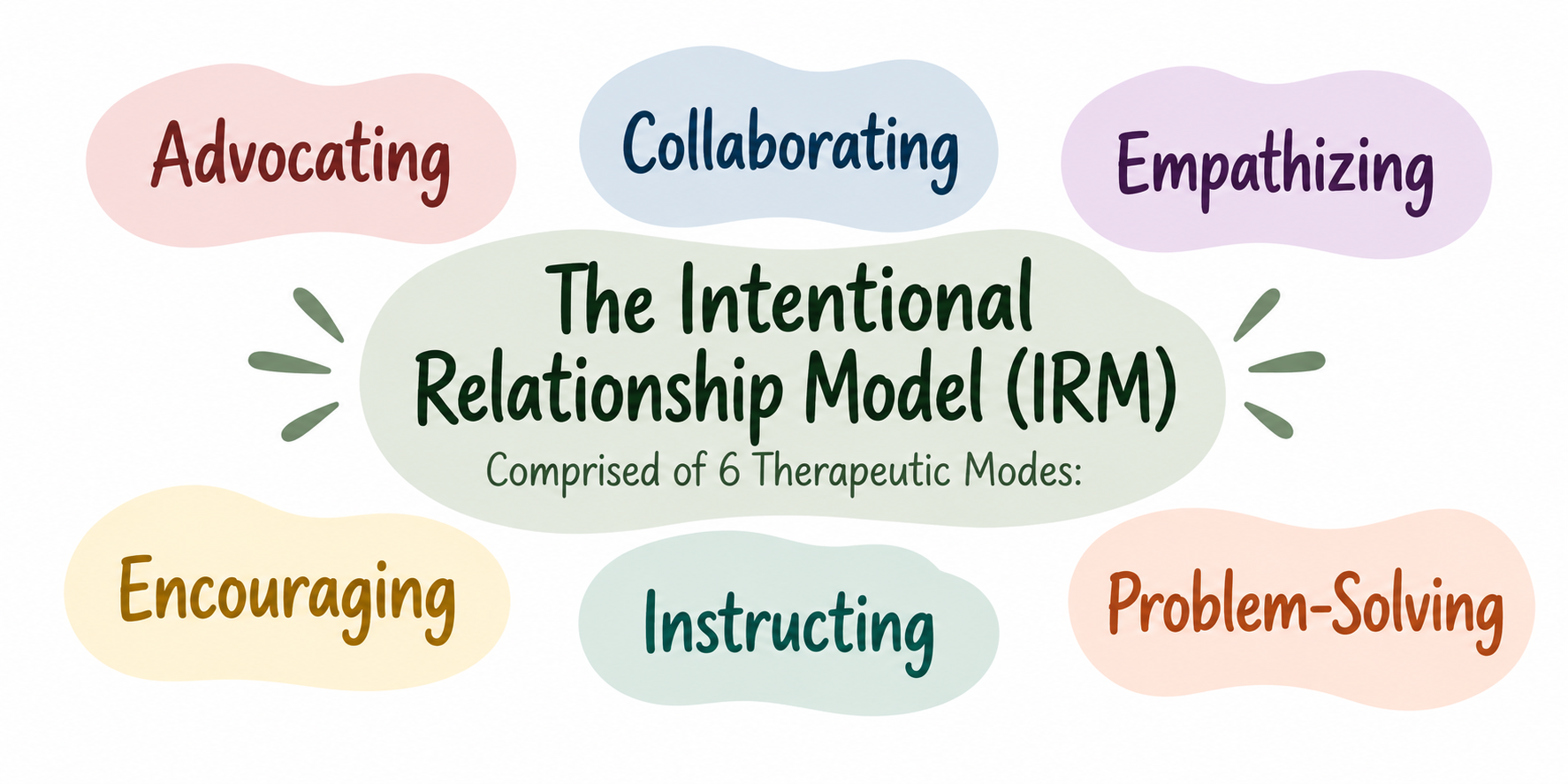
Advocating: Supporting individuals by protecting their rights, addressing barriers, and ensuring access to necessary resources and opportunities.
Collaborating: Working together to make decisions, establish goals, and encourage active participation and shared responsibility.
Empathizing: Understanding and acknowledging another person's feelings, perspectives, and experiences through active listening and emotional support.
Encouraging: Providing positive reinforcement, motivation, and reassurance to build confidence and promote personal and professional growth.
Instructing: Providing clear guidance, education, demonstrations, and constructive feedback to support learning and skill development.
Problem-Solving: Working together to identify challenges, explore possible solutions, and develop effective strategies to overcome obstacles.
Applying Social Cognitive Theory in Healthcare
How Our Environment Influences Our Behavior
Albert Bandura's Social Cognitive Theory explains how individuals learn through observation, personal experiences, and interactions with their environment.
In healthcare settings, students and professionals are constantly influenced by the behaviors, attitudes, and communication styles of those around them. These interactions can shape confidence, professional development, and how individuals respond to bullying and incivility.
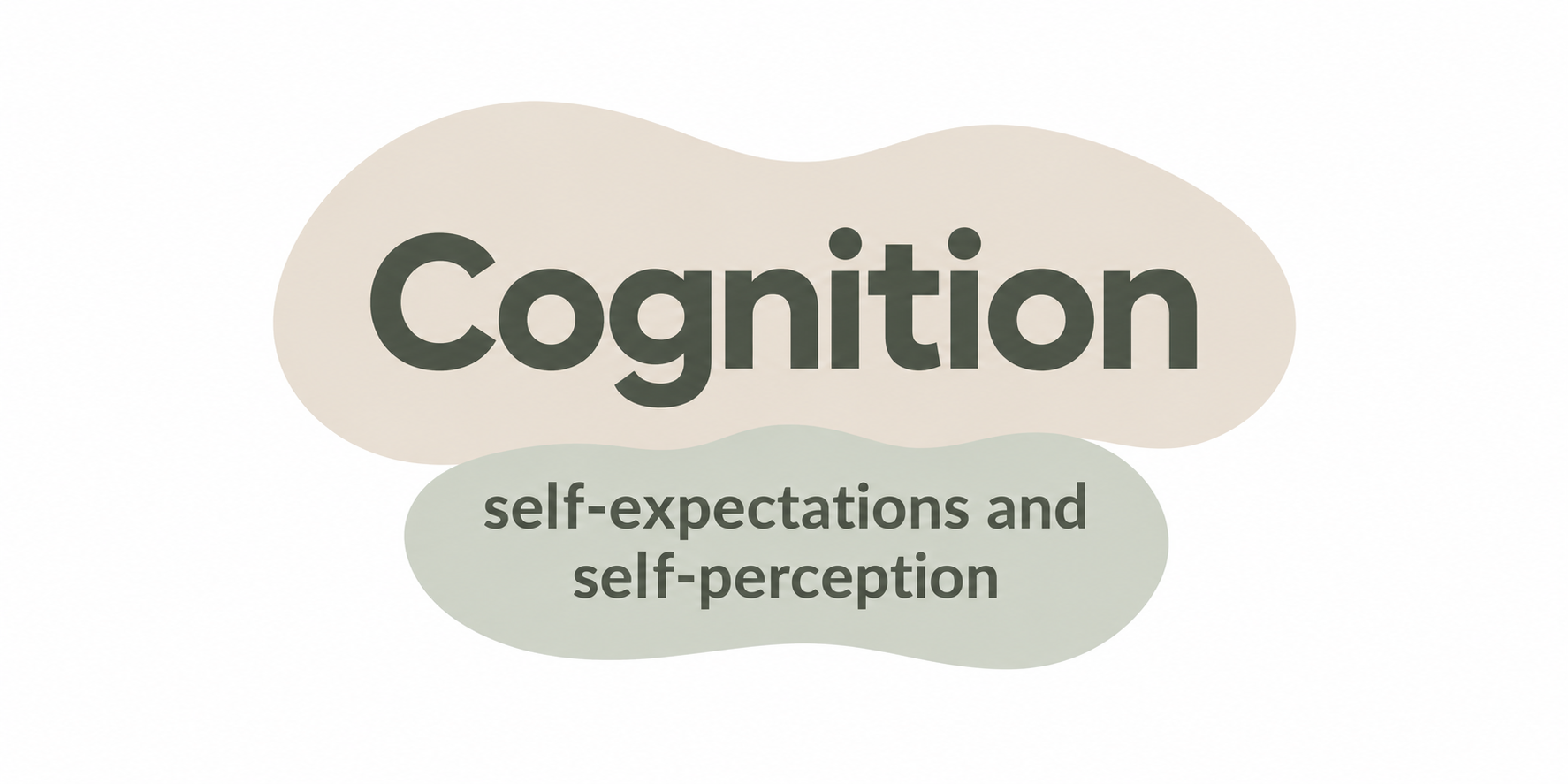
Cognition — What We Think and Feel
Refers to an individual's thoughts, beliefs, expectations, and confidence.
Healthcare Example: A student who is repeatedly criticized may begin to doubt their abilities or feel anxious about asking questions.
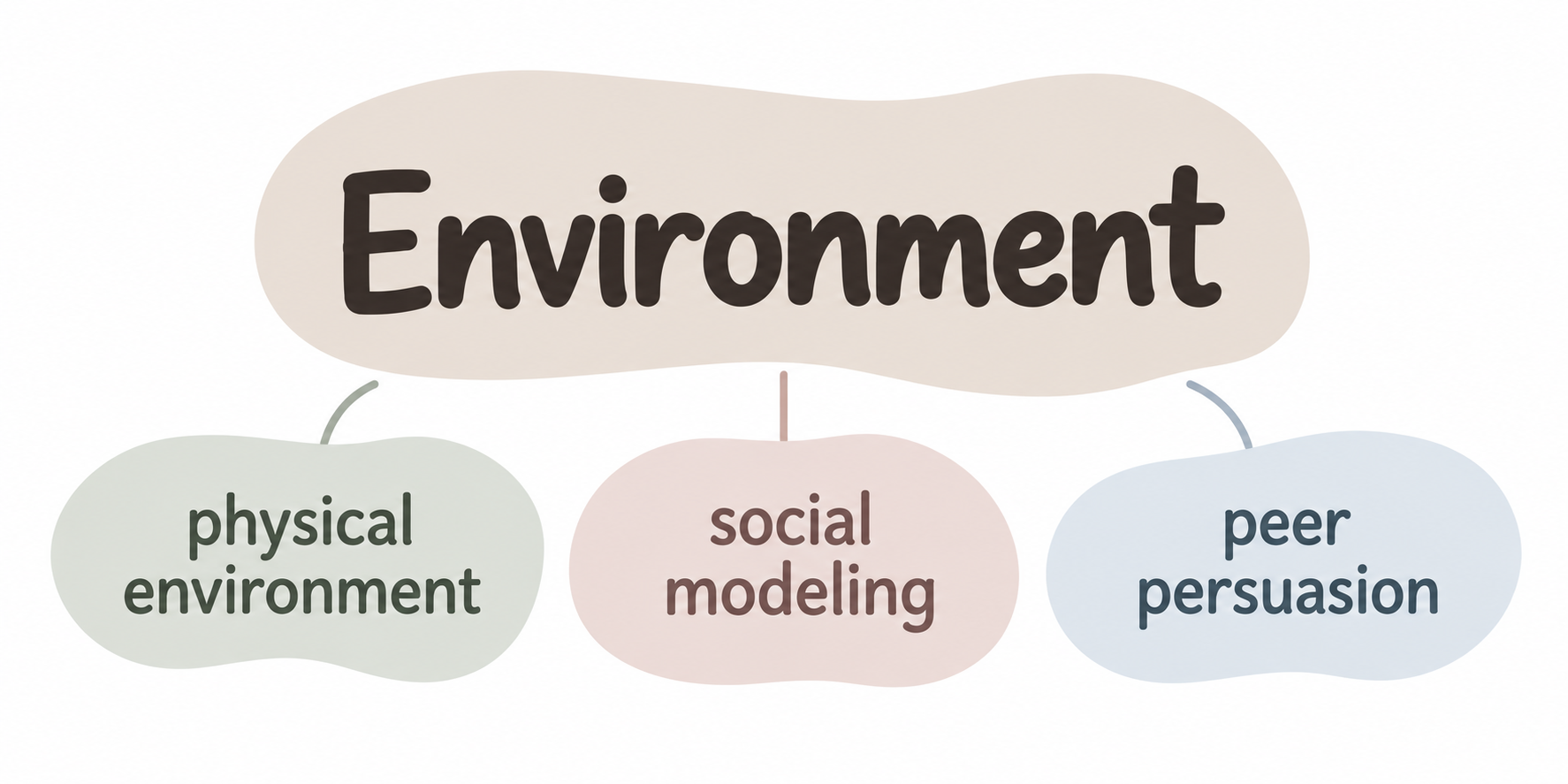
Environment — What Happens Around Us
Includes workplace culture, interactions with supervisors and coworkers, and the behaviors modeled by others.
Healthcare Example: A clinical environment where supervisors publicly embarrass students may create fear and discourage participation.
Social Cognition Within the Clinical Quality of Life
Social cognition influences how individuals perceive, interpret, and respond to interactions within their clinical environment. These experiences can affect emotional well-being, self-confidence, professional relationships, and overall quality of life.
Exposure to workplace bullying and incivility may increase stress, reduce self-efficacy, and create feelings of isolation or insecurity. Over time, these experiences can negatively affect job satisfaction, learning, communication, and professional development.
Conversely, supportive clinical environments that encourage respect, positive role modeling, and constructive feedback can strengthen confidence, promote psychological well-being, and improve overall quality of life.
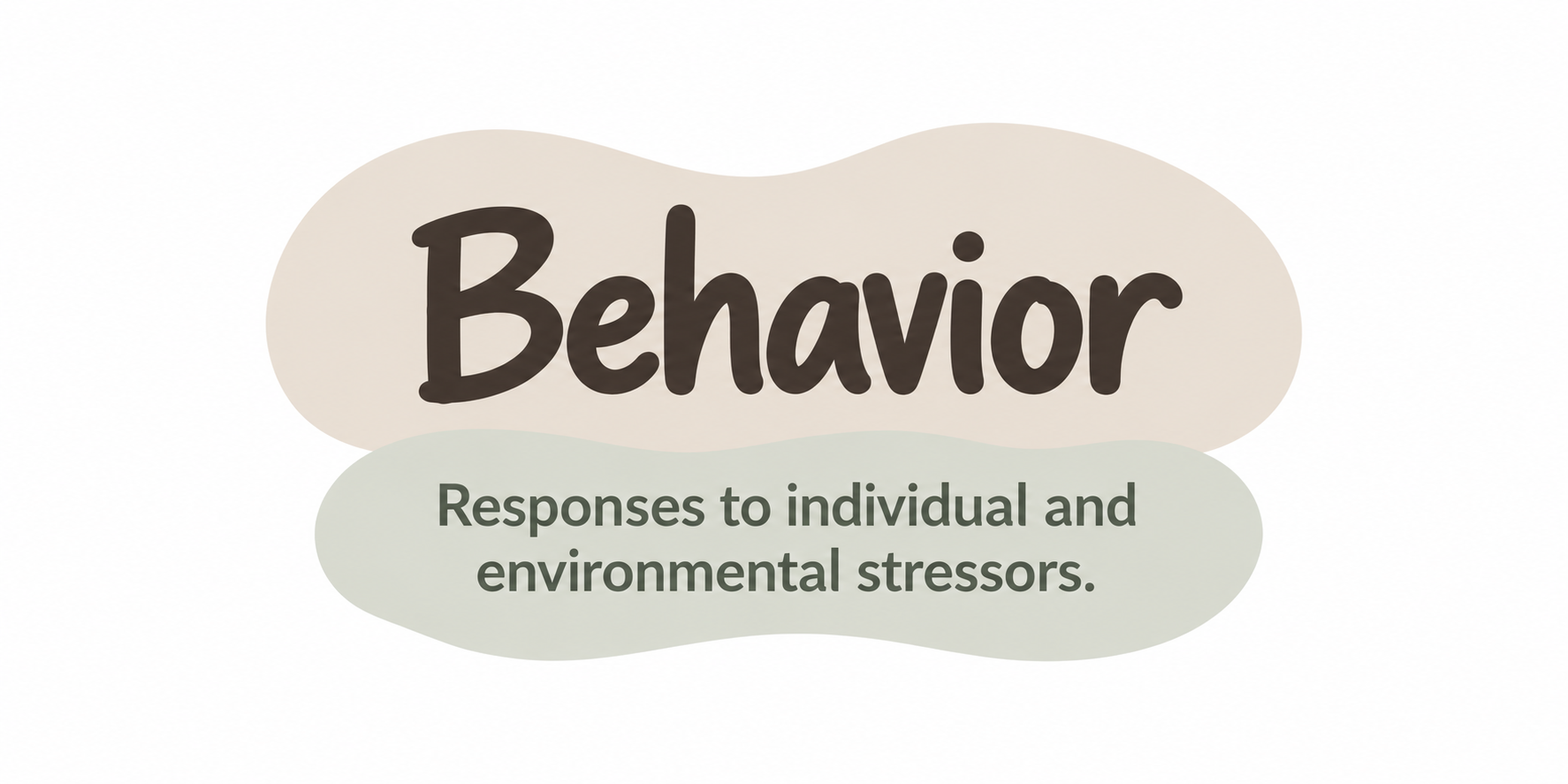
Behavior — How We Act and Respond
Refers to an individual's actions and responses to their environment and personal experiences.
Healthcare Example: A student experiencing repeated disrespect may become withdrawn, hesitate to communicate, or avoid seeking assistance.
How Are These Components Connected?
Social Cognitive Theory emphasizes that cognition, environment, and behavior continuously influence one another. This relationship is known as triadic reciprocal causation.
For example, witnessing bullying in a clinical setting (environment) may increase a student's anxiety (cognition), causing them to avoid asking questions (behavior). Over time, these interactions may negatively affect learning, confidence, and professional development.
The Role of Self-Efficacy
Self-efficacy refers to an individual's belief in their ability to successfully complete tasks and overcome challenges.
Supportive mentorship, constructive feedback, and positive role modeling can strengthen self-efficacy, while repeated negative interactions may undermine confidence and participation.
Why Does This Matter in Healthcare?
Bullying and incivility can influence more than an individual's emotional well-being. They can also affect communication, learning, teamwork, and professional confidence.
Understanding Social Cognitive Theory helps healthcare students, educators, and professionals recognize how workplace behaviors influence others and why creating respectful, supportive clinical environments is essential.
The behaviors we observe can shape the behaviors we adopt.
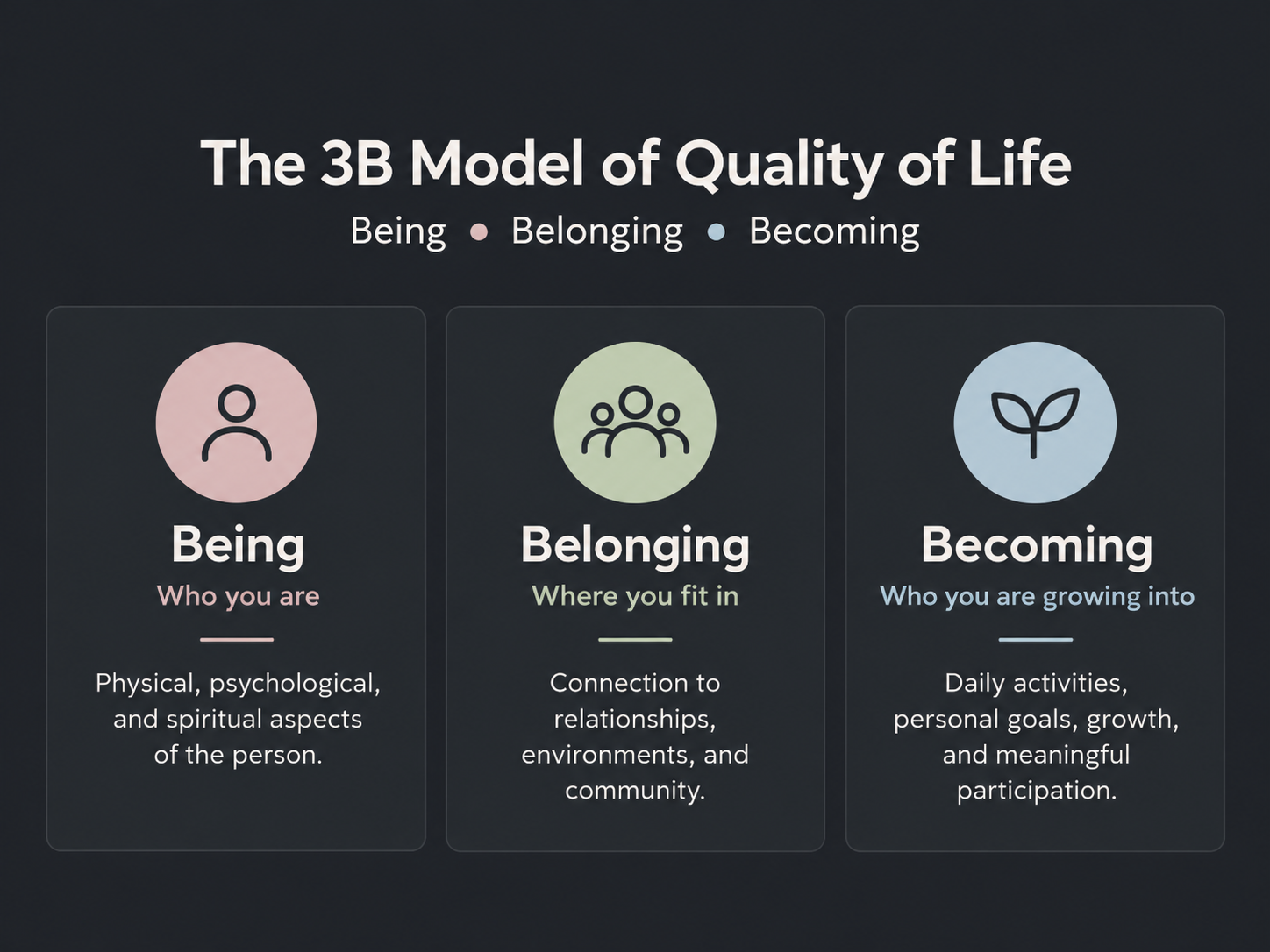
The 3B Model of Quality of Life
Being • Belonging • Becoming
The model recognizes that quality of life extends beyond physical health and includes psychological well-being, social connections, meaningful activities, and opportunities for personal growth.
1. BEING — Who You Are
Being focuses on an individual's personal characteristics, health, identity, and overall well-being.
Physical Being: Physical health, nutrition, exercise, personal hygiene, and overall physical well-being.
Psychological Being: Mental health, emotions, self-esteem, self-confidence, and the ability to manage stress.
Spiritual Being: Personal values, beliefs, sense of purpose, and guiding principles.
2. BELONGING — Where You Fit In
Belonging refers to an individual's connections with their surroundings, relationships, and community.
Physical Belonging: Feeling comfortable, safe, and supported within environments such as home, school, or the workplace.
Social Belonging: Developing and maintaining meaningful relationships with family, friends, classmates, and coworkers.
Community Belonging: Having access to community resources, healthcare services, employment, education, and opportunities for participation.
3. BECOMING — Who You Are Growing Into
Becoming focuses on the activities individuals participate in to achieve personal goals, develop skills, and find meaning in everyday life.
Three Subcomponents:
Practical Becoming: Participating in everyday responsibilities such as working, studying, completing daily tasks, and managing personal needs.
Leisure Becoming: Engaging in enjoyable activities, hobbies, recreation, and relaxation that promote stress reduction and well-being.
Growth Becoming: Developing new skills, expanding knowledge, adapting to challenges, and pursuing personal or professional goals.
Why Does This Matter in Healthcare?
Workplace bullying and incivility can negatively affect all three dimensions of quality of life.
For healthcare professionals and students, these experiences may affect psychological well-being (Being), relationships and feelings of acceptance (Belonging), and opportunities for learning and professional development (Becoming).
Understanding the 3B Model helps healthcare professionals recognize how workplace experiences can influence an individual's overall quality of life, both personally and professionally.

Instructions: Please answer the following questions to review the information discussed in the third module. Click “Submit” when finished.