Module 1-3
Bullying & Incivility in the Rehabilitation Workplace
The module will be explore the PREVELANCE and EFFECTS of workplace incivility and bullying in the healthcare workplace setting.
INCIVILITY
The persistent exposure to interpersonal aggression and mistreatment from colleagues, superiors or subordinates (Einarsen, Hoel, & Notelaers, 2009).
BULLYING

The primary difference between bullying and incivility is the frequency, severity, and intent behind the behavior.
Bullying typically involves repeated and persistent mistreatment that targets an individual, while incivility often consists of less obvious acts of disrespect where the intention to cause harm may be unclear.
For example, in an OT fieldwork setting:
Bullying: A clinical instructor repeatedly humiliates a student in front of patients, makes degrading comments about their abilities, or intentionally excludes them from learning opportunities.
Incivility: A clinical instructor rolls their eyes when a student asks a question, interrupts them during discussions, or responds in a dismissive or sarcastic tone.
Although incivility may appear less severe than bullying, both behaviors can negatively impact a student's confidence, learning experience, and sense of belonging. When disrespectful behaviors become persistent or escalate in severity, they may contribute to a pattern of bullying.
Low intensity deviant behavior with ambiguous intent to harm the target, in violation of workplace norms for mutual respect (Petitta & Jiang, 2019).
This video shows some behaviors that are considered bullying in the workplace…
PREVALENCE OF BULLYING

Nursing Students — 65.6%
A 2024 systematic review and meta-analysis involving 9,511 nursing students found that 65.6% experienced bullying during clinical practice (Zhou et al., 2024).
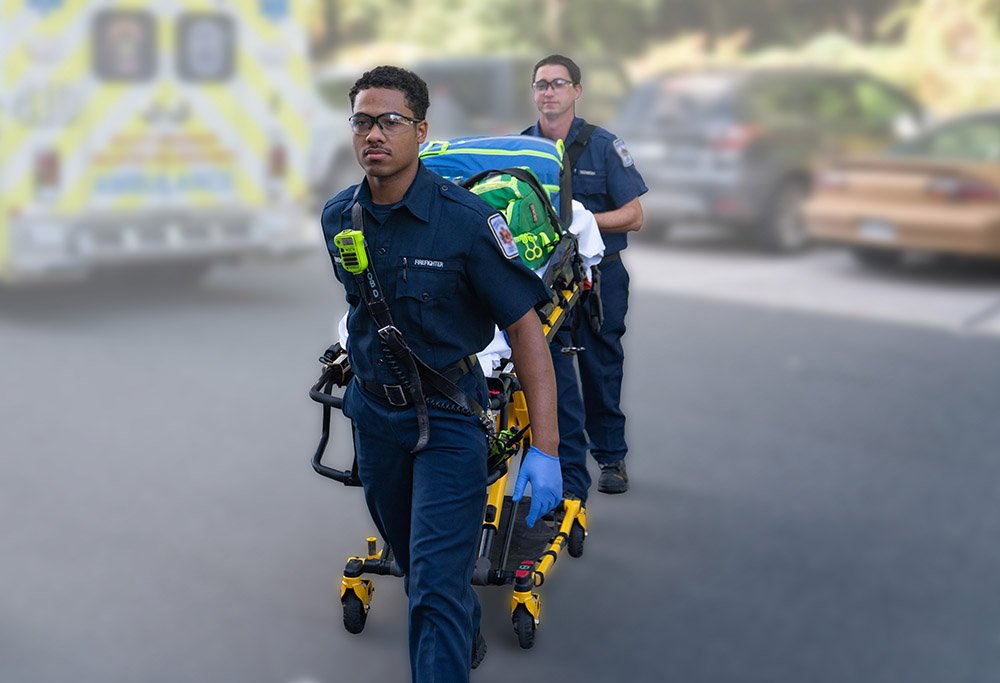
Emergency Medical Services (EMS) Students — 32.6%
A 2017 study found that 32.6% of paramedic students experienced at least one act of workplace violence during clinical placements, with verbal abuse and intimidation among the reported behaviors (Boyle & McKenna, 2017).
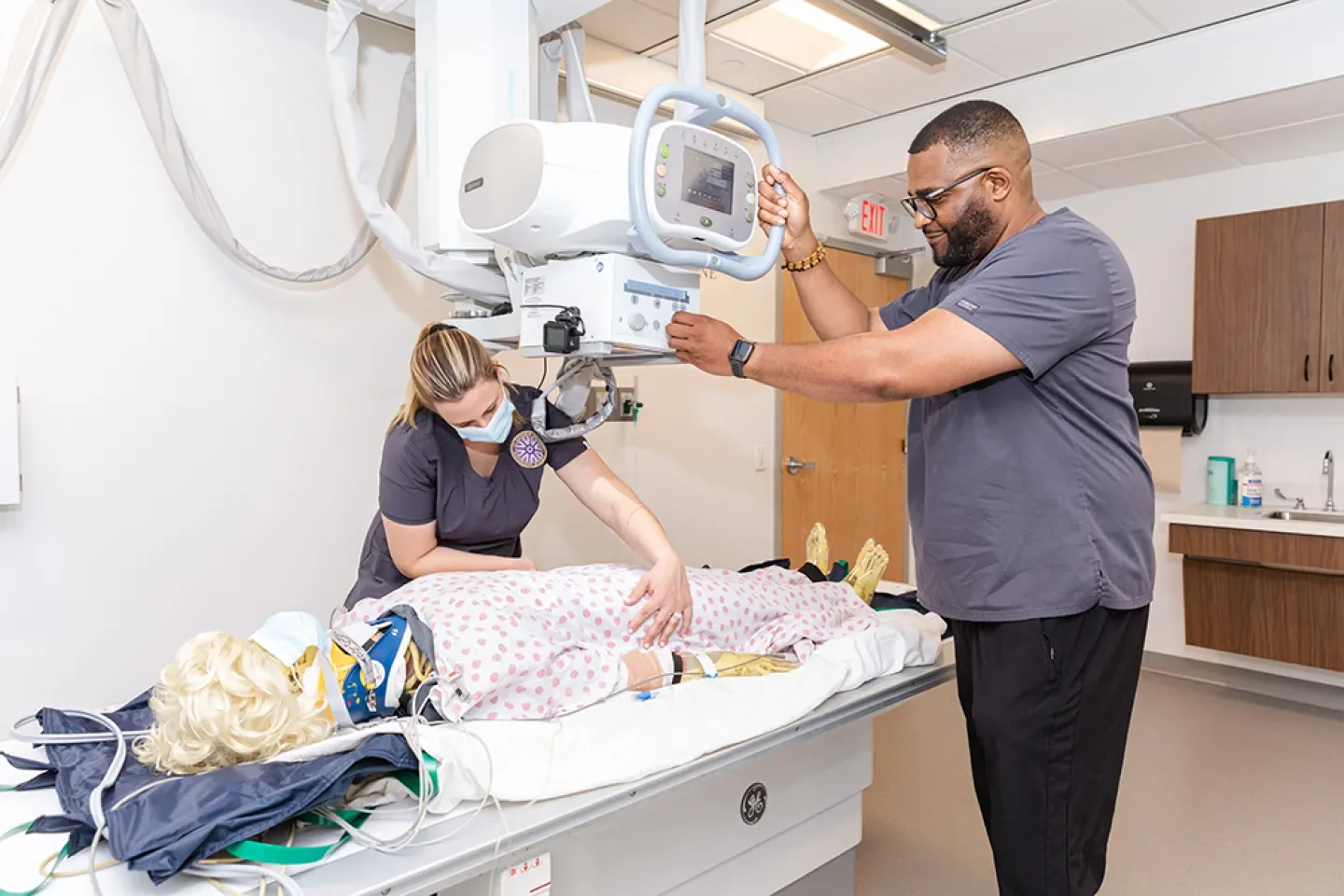
Radiation Therapy and Radiography Students — 41%
A 2024 study in Ireland found that 41% of surveyed radiation therapy and diagnostic radiography students experienced at least one incident of harassment during clinical placements, including verbal, physical, or sexual harassment (Walsh et al., 2024).
Why Does This Matter?
These findings demonstrate that negative interpersonal behaviors are not limited to one healthcare profession. Bullying, harassment, and incivility can undermine student confidence, psychological safety, professional development, and the quality of clinical learning experiences.
Creating respectful, supportive clinical environments is essential for protecting students and promoting successful learning experiences across all healthcare professions, including occupational therapy.
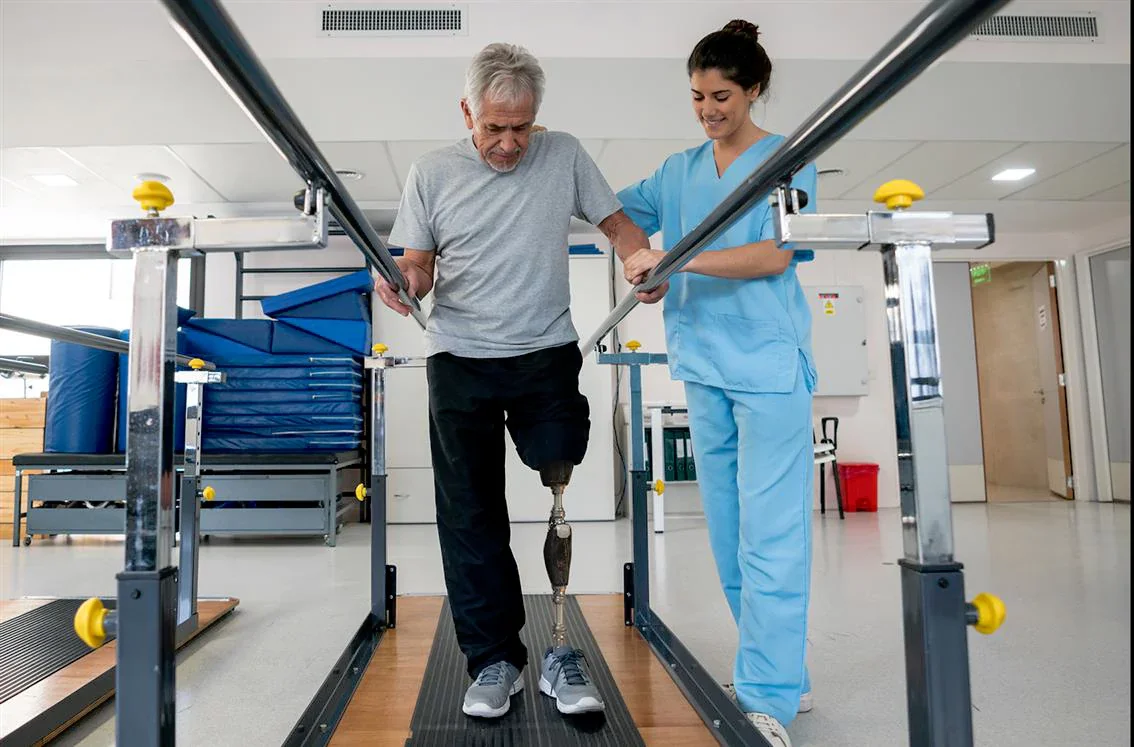
Physical Therapy Students — 25%
A 2013 study found that 25% of physical therapy students reported experiencing bullying behaviors during clinical internships. Among those affected, 84% did not report the incidents to their university (Stubbs & Soundy, 2013).

Medical Students — 38.1%
According to the Association of American Medical Colleges, 38.1% of U.S. medical students reported experiencing mistreatment during medical school in 2023, including behaviors such as public humiliation and discriminatory remarks (AAMC, 2024).
What does workplace bullying look like?
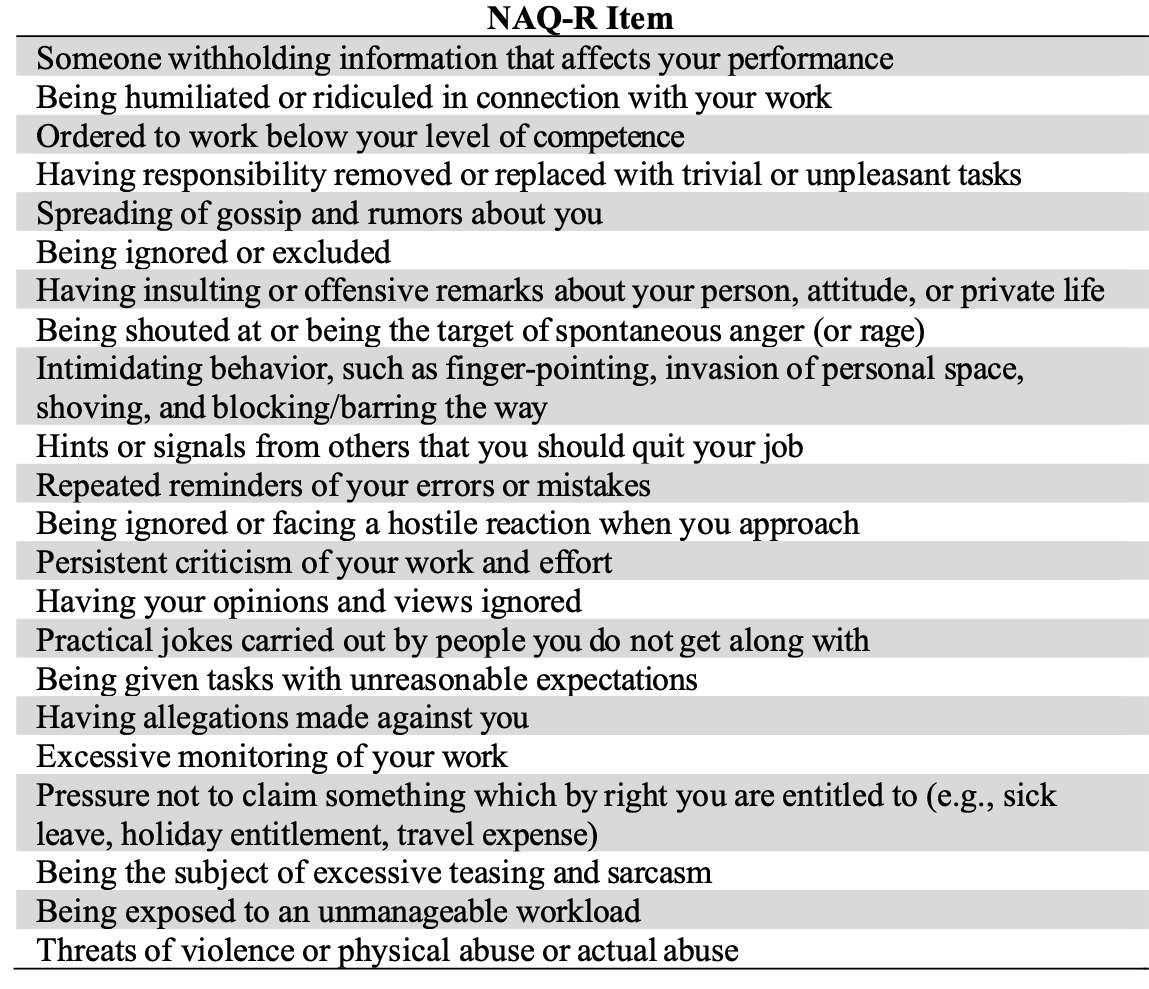
The Negative Acts Questionnaire-Revised (NAQ-R) is a validated self-report assessment designed to help individuals identify and evaluate their exposure to workplace bullying.
Through 22 questions, individuals reflect on how frequently they have experienced behaviors such as personal criticism, unreasonable work demands, intimidation, or social exclusion over the past six months.
This assessment can promote self-awareness, help individuals recognize patterns of mistreatment, and encourage reflection on experiences within clinical learning environments.
Important: The NAQ-R is a screening and research instrument, not a definitive determination that workplace bullying has occurred.
What does work place incivility look like?
Freedman et al. (2024) identify the following behaviors among healthcare professionals:
Wrongfully blaming others for your own mistakes
Gossiping about coworkers
Cursing at coworkers
Ignoring someone
Yelling at someone
Interrupting someone
Taking credit for someone else's work
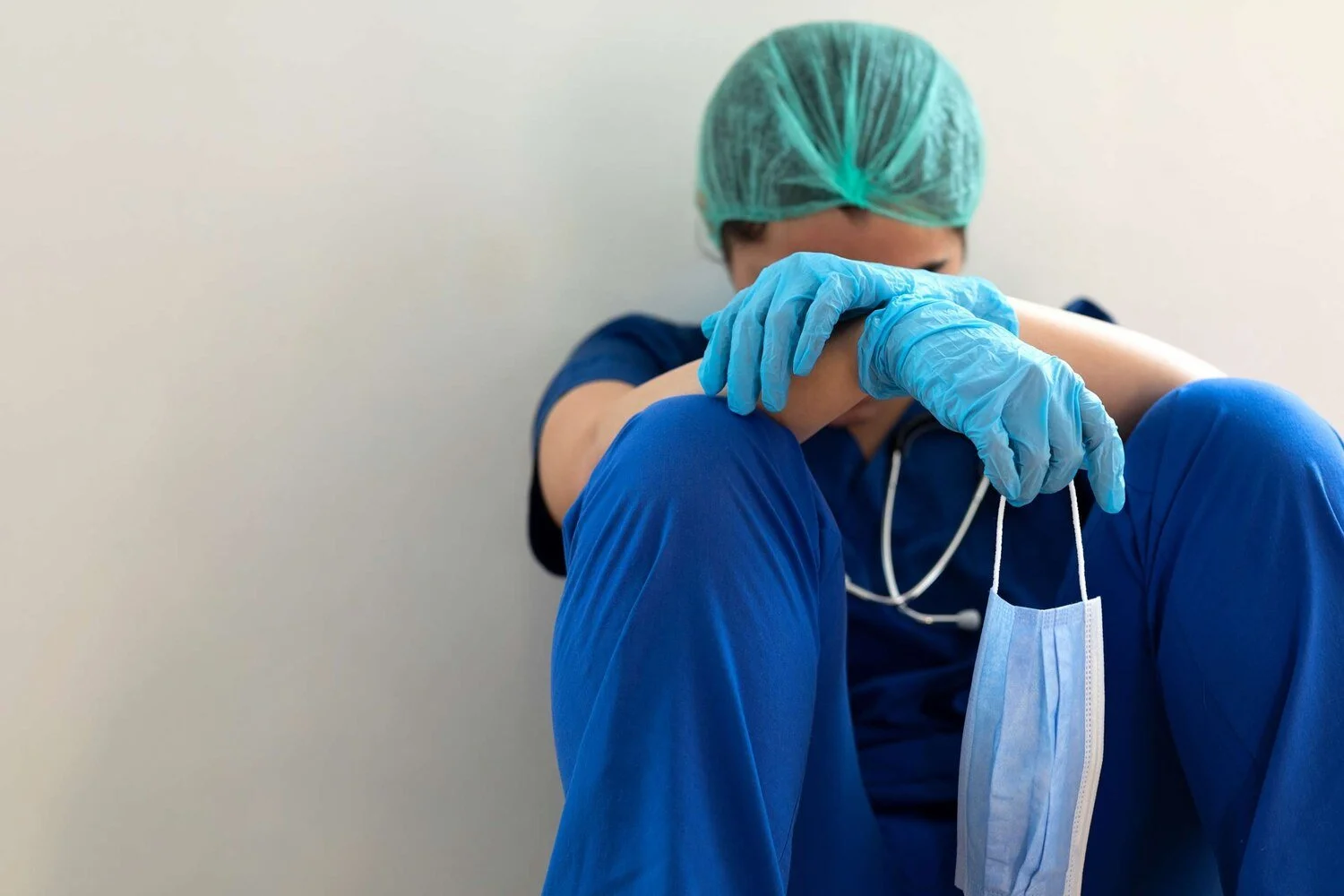
EFFECTS OF BULLYING
-
Feelings of dread when returning to work the next day after experiencing bullying.
Decrease in desire to engage with activities outside of work
-
Decreased job satisfaction
Compromised quality of life and well-being
Feelings of dread and degradation
Physical and mental health issues
emotional distress
depression
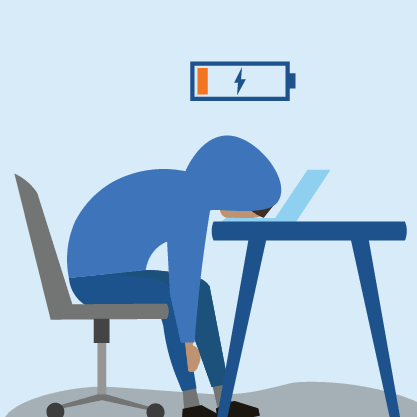
fatigue
gastrointestinal complications
In Academics:
There is a need for research
Limited Research: Current literature reveals a lack of research examining the prevalence and impact of bullying and incivility experienced by occupational therapy students during clinical fieldwork.
Importance of Mentorship: The relationship between fieldwork educators (FWEs) and occupational therapy students plays a significant role in shaping students' learning experiences, professional development, and clinical competence.
Need for Further Investigation: Given the importance of fieldwork mentorship, additional research is needed to better understand how bullying and incivility affect students and to identify strategies that promote respectful, supportive clinical learning environments.
-
This is a stand-alone study it is important to conduct further research to understand what constitutes bullying and incivility in fieldwork and how we can avoid such occurrences.


Instructions: Please answer the following questions to review the information discussed in the first module. Click “Submit” when finished.